TCDS Insurance Agency
Property Insurance Guide

Landlord Insurance Alabama: The Complete Guide for Rental Property Owners
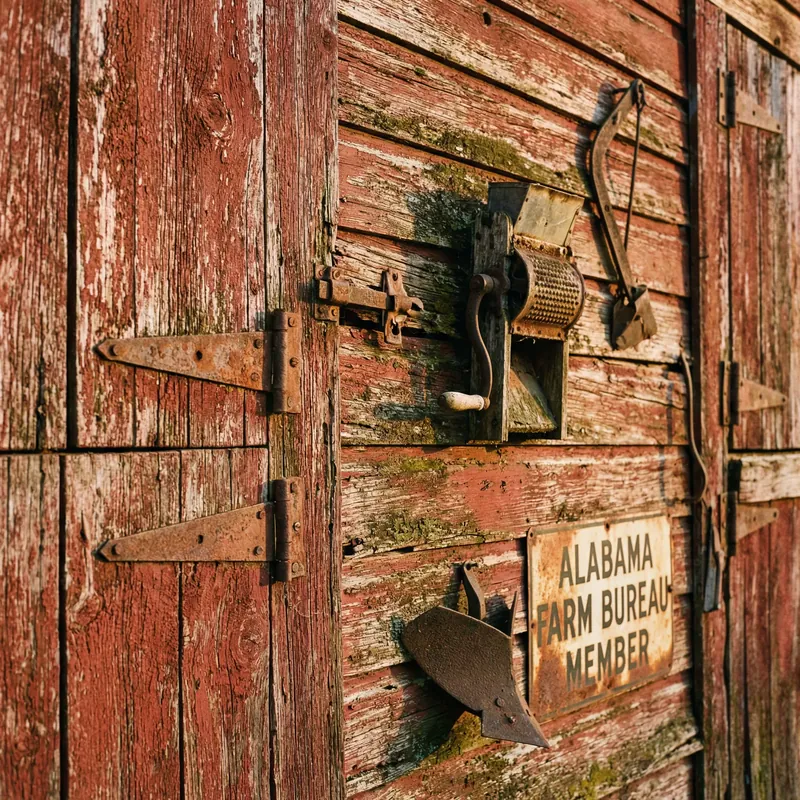
Your homeowner's policy won't cover a rental property. Here's what Alabama landlords actually need — coverage types, real costs by city, claim examples, and 7 ways to lower your premium.

By Todd Crawford, Licensed Insurance AgentUpdated April 202514 min read

The #1 Mistake Alabama Landlords Make

Using a homeowner's policy on a rental property. If you file a claim and the insurer discovers the property is tenant-occupied, your claim will be denied. Worse, your policy may be cancelled retroactively. According to the National Association of Insurance Commissioners (NAIC) , this is one of the most common reasons for claim denials on rental properties.

What Does Landlord Insurance Cover?

A landlord insurance policy (also called a rental dwelling policy or DP-3) is specifically designed for properties you own but don't live in. Here's what's included and what's optional:

Dwelling Coverage (Coverage A)

Included

Covers the physical structure — roof, walls, foundation, built-in appliances, HVAC. Pays to repair or rebuild after covered events (fire, storm, vandalism).

Typical limit: $100,000-$300,000

Other Structures (Coverage B)

Included

Covers detached structures — garage, fence, shed, mailbox. Usually set at 10% of dwelling coverage.

Typical limit: 10% of Coverage A

Loss of Rental Income (Coverage C)

Included

Pays the rent you'd normally collect if the property becomes uninhabitable due to a covered loss. Most policies cover 12 months of lost rent.

Typical limit: 12 months of rent

Liability Coverage (Coverage L)

Included

Covers legal costs and settlements if a tenant or visitor is injured on your property. Includes slip-and-fall, dog bites (if you allow pets), and structural defects.

Typical limit: $100,000-$1,000,000

Medical Payments (Coverage M)

Included

Pays small medical bills for injuries on your property regardless of fault. Prevents minor injuries from becoming lawsuits.

Typical limit: $1,000-$5,000

Flood Insurance

Optional Add-On

NOT included in standard landlord policies. Required if the property is in a FEMA-designated flood zone. Available through the NFIP or private carriers.

Typical limit: $500-$3,000/yr

Umbrella Policy

Optional Add-On

Extends liability coverage beyond your landlord policy limits. Essential if you own multiple properties or have significant assets to protect.

Typical limit: $1M for $150-$300/yr

How Much Does Landlord Insurance Cost in Alabama?

Costs vary significantly by location, property type, and coverage limits. Here's what Alabama landlords actually pay:

City / AreaSingle-FamilyDuplexKey Factor
Birmingham$1,400-$2,200/yr$2,200-$3,500/yrHail & theft risk
Huntsville$1,200-$1,800/yr$1,800-$3,000/yrTornado corridor
Montgomery$1,300-$2,000/yr$2,000-$3,200/yrStorm & flood risk
Mobile$2,000-$3,500/yr$3,200-$5,000/yrHurricane exposure
Gulf Shores / Orange Beach$2,500-$4,500/yr$4,000-$7,000/yrCoastal wind & flood
Tuscaloosa$1,300-$2,000/yr$2,000-$3,200/yrTornado Alley
Hoover / Pelham$1,200-$1,800/yr$1,900-$3,000/yrHail exposure
Pinson / Clay / Trussville$1,100-$1,700/yr$1,800-$2,800/yrStorm risk

Rates based on $200,000 dwelling coverage, $300,000 liability, $1,000 deductible. Actual premiums vary by carrier, claims history, and property condition. Data sourced from Alabama Department of Insurance rate filings and our agency's quoting data.

Real Claim Examples from Alabama Landlords

Composite examples based on claims we've handled. Names and details changed for privacy.

Kitchen Fire — Birmingham Rental

Tenant left cooking unattended. Fire damaged kitchen, smoke damage throughout the house. Property uninhabitable for 3 months.

Costs: Structural repair: $45,000 | Lost rent (3 months): $3,600 | Temporary relocation assistance: $1,200

Total: $49,800

Dwelling coverage paid for repairs. Loss of rental income coverage replaced 3 months of rent. Tenant's renter's insurance covered their personal belongings separately.

Slip-and-Fall Lawsuit — Huntsville Duplex

Visitor slipped on icy front steps. Broken hip requiring surgery. Filed a $175,000 lawsuit claiming the landlord failed to maintain safe walkways.

Costs: Legal defense: $22,000 | Settlement: $85,000 | Medical payments: $5,000

Total: $112,000

Liability coverage paid legal defense and settlement. Medical payments coverage handled initial medical bills, which helped avoid a larger lawsuit.

Hail Damage — Hoover Single-Family

April hailstorm damaged roof, siding, and HVAC unit. Tenant reported leaking within 24 hours.

Costs: Roof replacement: $12,000 | Siding repair: $4,500 | HVAC repair: $2,800 | Interior water damage: $3,200

Total: $22,500

Dwelling coverage paid all structural repairs minus $1,000 deductible. Filing the claim promptly prevented further water damage.

7 Ways to Lower Your Landlord Insurance Premium

1

Bundle Multiple Properties

Insuring 2+ rental properties with the same carrier typically saves 10-15%. Some carriers offer portfolio discounts starting at 3 properties.

2

Increase Your Deductible

Raising your deductible from $1,000 to $2,500 can reduce your premium by 15-25%. Only do this if you have cash reserves to cover the higher deductible.

3

Require Tenant Renter's Insurance

Carriers view this favorably because it reduces small claims. Some offer a 5-10% discount when tenants carry renter's insurance. Add it as a lease requirement.

4

Install Protective Devices

Smoke detectors, deadbolts, security systems, and water leak sensors can earn 5-15% discounts. Smart water shutoff valves are increasingly recognized by carriers.

5

Maintain a Claims-Free History

3-5 years without claims earns significant discounts. Avoid filing claims under $2,000 — the premium increase often exceeds the payout.

6

Update Electrical, Plumbing, and Roof

Properties with updated systems (within 15 years) qualify for better rates. A new roof alone can save 10-20% on premium.

7

Shop Through an Independent Agent

Independent agents (like TCDS) compare quotes from 50+ carriers. Captive agents only offer one company's rates. The difference can be 20-40% for the same coverage.

Alabama-Specific Landlord Insurance Considerations

Alabama Landlord-Tenant Law

Under the Alabama Uniform Residential Landlord and Tenant Act (Code of Alabama § 35-9A) , landlords must:

  • Maintain the property in a habitable condition
  • Make repairs within 14 days of written notice
  • Maintain all electrical, plumbing, and HVAC systems
  • Provide working smoke detectors

Failure to maintain the property can void your insurance coverage and expose you to liability lawsuits.

Alabama Weather Risks for Rental Properties

Alabama ranks in the top 10 states for severe weather claims. According to NOAA/National Weather Service data:

60+

Tornadoes per year (avg)

$1.2B

Annual hail damage (statewide)

Top 5

Hurricane risk (coastal)

Flood Insurance for Alabama Rentals

Standard landlord insurance does NOT cover flood damage. If your rental property is in a FEMA-designated flood zone , flood insurance is required by your lender and available through the National Flood Insurance Program (NFIP) or private carriers.

Even if your property isn't in a designated flood zone, 25% of flood claims come from outside high-risk areas. Private flood insurance often provides better coverage at competitive rates.

Sources & References

Frequently Asked Questions

Is landlord insurance required in Alabama?

Alabama law does not require landlord insurance, but your mortgage lender almost certainly does. If you have a loan on the rental property, the lender will require at minimum a dwelling fire policy. Beyond lender requirements, operating without landlord insurance exposes you to personal liability — a single lawsuit from a tenant injury can exceed $100,000 in legal costs and settlements.

How much does landlord insurance cost in Alabama?

Alabama landlord insurance typically costs $1,200-$3,000 per year for a single-family rental, depending on location, property value, coverage limits, and claims history. Birmingham properties average $1,400-$2,200/year, while coastal Mobile/Gulf Shores properties run $2,500-$4,500/year due to hurricane risk. Multi-unit properties (2-4 units) cost $2,000-$5,000/year. That's roughly 15-25% more than a standard homeowner's policy on the same property.

What's the difference between landlord insurance and homeowner's insurance?

Homeowner's insurance covers owner-occupied properties. Landlord insurance (also called rental dwelling insurance or DP-3 policy) covers tenant-occupied properties and includes: loss of rental income if the property becomes uninhabitable, liability coverage for tenant injuries on the property, broader coverage for tenant-caused damage, and no personal property coverage (that's the tenant's responsibility via renter's insurance). If you rent out a property with a homeowner's policy, your claim will likely be denied.

Does landlord insurance cover tenant damage?

Landlord insurance covers sudden, accidental damage caused by tenants — for example, a kitchen fire started while cooking or a burst pipe from a frozen faucet left running. It does NOT cover intentional damage, normal wear and tear, or neglect. For intentional tenant damage, your recourse is the security deposit and small claims court. Some carriers offer an optional 'malicious damage' endorsement for $50-$150/year that covers intentional destruction.

Do I need landlord insurance if my tenant has renter's insurance?

Yes. Renter's insurance covers the tenant's personal belongings and their personal liability — it does NOT cover your building, your liability as the property owner, or your lost rental income. Think of it this way: renter's insurance protects the tenant, landlord insurance protects you and your investment. Both are necessary, and requiring tenants to carry renter's insurance is a smart lease provision.

What does landlord insurance NOT cover?

Landlord insurance does not cover: flood damage (requires separate NFIP or private flood policy), earthquake damage, normal wear and tear, intentional damage by tenants (unless malicious damage endorsement is added), the tenant's personal property, vacancy beyond 60 days (most policies), and business activities conducted from the rental property. Maintenance issues like mold from deferred repairs are also excluded.

Related Articles & Guides

Related Insurance Pages

Get a Landlord Insurance Quote

We shop 50+ carriers to find the best landlord insurance rates for your Alabama rental property. Most quotes are ready within 24 hours.